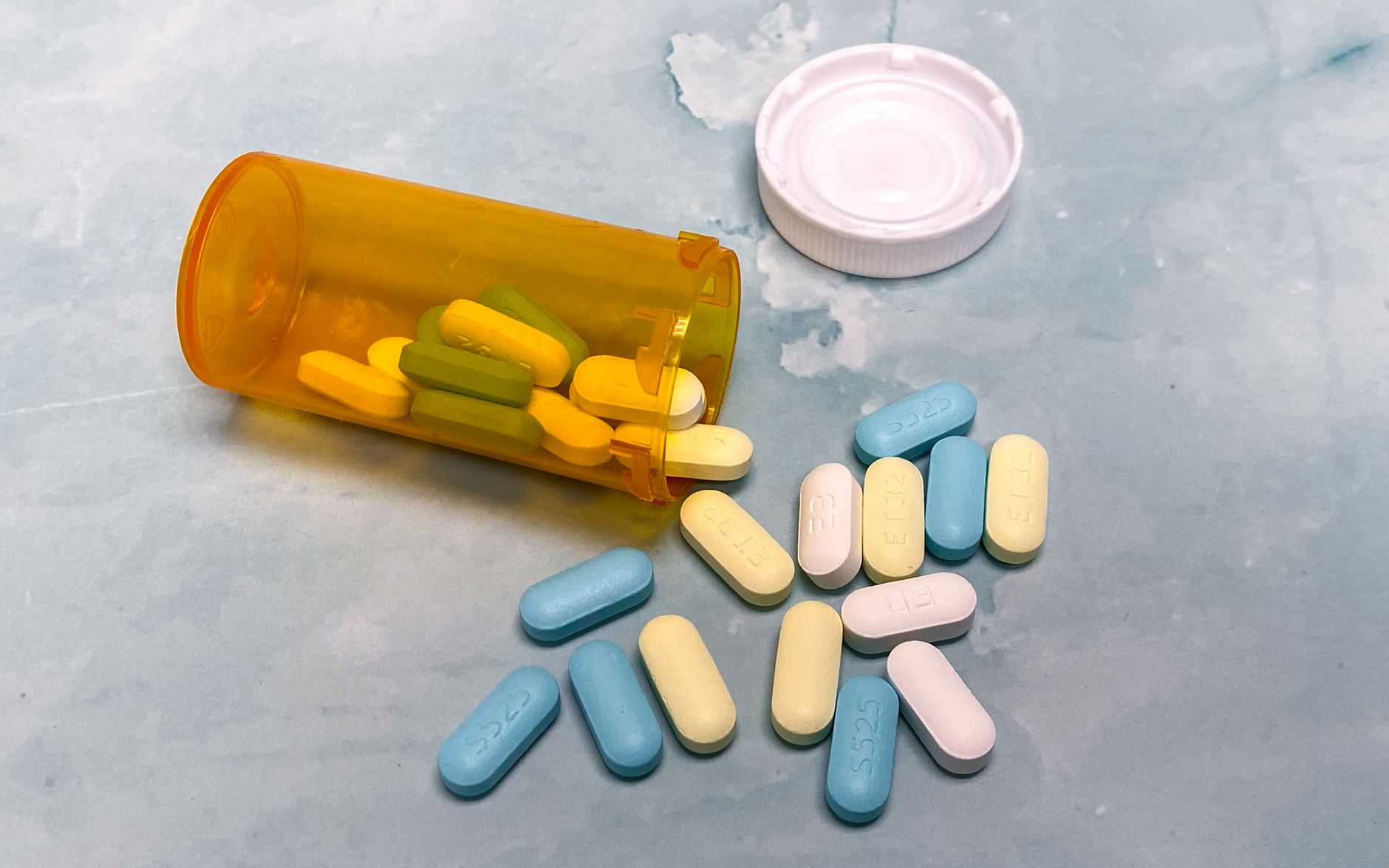
cancer drug price cuts are a pressing issue for Novartis and Eli Lilly. As these companies face challenges, understanding the risks involved is crucial for stakeholders.
Understanding the Price Cut Impact
The recent announcement regarding cancer drug price cuts has raised significant concerns for pharmaceutical giants Novartis and Eli Lilly. As the industry faces increasing pressure to lower prices, stakeholders are analyzing the potential implications for these companies.
One of the primary risks includes the possibility of reduced revenue, which could hinder research and development efforts for new treatments. Furthermore, companies may struggle to maintain profit margins in a highly competitive market.
Key factors contributing to the impact of these price cuts include:
- Regulatory Changes: Increased government scrutiny on drug pricing may push companies to adjust their strategies.
- Market Competition: Generic alternatives could flood the market, further driving down prices.
- Investor Sentiment: Stock prices may fluctuate as investors reassess the financial outlook for both companies.
Overall, the cancer drug price cuts present a challenging landscape for Novartis and Eli Lilly, necessitating strategic adaptations to navigate these risks.
Novartis and Eli Lilly’s Response
In response to the recent cancer drug price cuts, both Novartis and Eli Lilly have expressed concerns regarding the potential impact on their revenue streams. The pharmaceutical giants are evaluating their options in light of these changes, which could significantly affect their bottom lines.
Both companies have highlighted a few key risks associated with the price cuts:
- Reduced Profit Margins: The decrease in prices may lead to diminished profits, affecting their ability to invest in research and development.
- Market Competition: With lower prices, generic manufacturers may enter the market, increasing competition for Novartis and Eli Lilly.
- Investor Confidence: Ongoing uncertainty around drug pricing could lead to decreased investor confidence, impacting stock performance.
As the situation unfolds, both companies are preparing to navigate the challenges posed by the cancer drug price cuts.
Market Reactions to Price Cuts
Market reactions to the recent cancer drug price cuts have been significant, particularly for major pharmaceutical companies like Novartis and Eli Lilly. Investors are closely monitoring the potential impacts on revenue and market share as these companies adjust to new pricing regulations.
Many analysts express concern that these price cuts could lead to:
- Reduced Profit Margins: Lower prices may impact the overall profitability of cancer drug sales.
- Increased Competition: Price cuts could open the door for generic manufacturers, intensifying market competition.
- Stock Volatility: Uncertainty surrounding revenue forecasts may lead to fluctuations in stock prices for both firms.
As Novartis and Eli Lilly navigate these challenges, the long-term implications of the cancer drug price cuts remain a topic of heated debate among investors and healthcare professionals alike.
Potential Risks for Patients
The recent cancer drug price cuts pose several potential risks for patients relying on these vital medications. While the intention behind lowering prices is to increase accessibility, there are concerns regarding the long-term impact on drug availability and innovation.
- Reduced Research Funding: With decreased revenues from cancer drug sales, pharmaceutical companies like Novartis and Eli Lilly may face challenges in funding crucial research and development for new treatments.
- Shortages: Price cuts could lead to reduced production levels, resulting in potential shortages of essential drugs for patients already in need.
- Quality Concerns: As companies adjust to lower profit margins, there may be fears regarding the quality and efficacy of cheaper alternatives that replace existing treatments.
- Access Issues: Despite lower prices, some patients may still struggle to afford their medications due to insurance coverage changes or high out-of-pocket costs.
These factors highlight the delicate balance between affordability and the sustainability of innovation in the fight against cancer.
Regulatory Environment Overview
The regulatory environment surrounding cancer drug price cuts has become increasingly complex, raising significant concerns for pharmaceutical companies like Novartis and Eli Lilly. Recent legislative changes aim to facilitate more affordable access to vital medications, yet they also impose stringent compliance obligations on manufacturers.
- Price Negotiation Policies: New regulations enable government entities to negotiate drug prices, which could substantially impact revenue for companies reliant on high-cost treatments.
- Market Access Challenges: As price cuts are implemented, companies may face hurdles in maintaining market share, especially if competitors offer similar or more effective alternatives at lower prices.
- Innovation Stifling: There is a growing fear that decreased profit margins could hinder investment in research and development, slowing the advancement of new cancer therapies.
In this evolving landscape, Novartis and Eli Lilly must navigate these challenges carefully to mitigate risks associated with cancer drug price cuts.
Future of Cancer Drug Pricing
The future of cancer drug pricing remains uncertain as pharmaceutical companies navigate the implications of recent price cuts. Both Novartis and Eli Lilly face significant challenges that could reshape their market strategies and impact patient access to essential medications.
Analysts predict that the cancer drug price cuts may lead to a shift in how these companies allocate resources for research and development. The potential for reduced profit margins raises concerns about the sustainability of innovation in cancer treatment.
Moreover, if these price cuts lead to decreased investment in new therapies, patients might face a future with fewer options. The industry must balance the need for affordable treatments with the imperative to fund groundbreaking research that could save lives.
As the landscape evolves, stakeholders must closely monitor how these dynamics will influence the accessibility and affordability of cancer care.