
Introduction
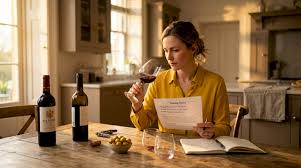
Wine tasting does not have to involve a formal event or a professional tasting room. With a few bottles, suitable glasses and some simple preparation, you can organise an enjoyable wine tasting at home.
Tasting six different wines is particularly useful for beginners because it provides enough variety to compare different styles without becoming overwhelming. You can explore differences in colour, aroma, flavour, acidity, body and finish while gradually developing your palate.
Choose a Balanced Selection of Wines
The first step is deciding which six wines to taste. Avoid selecting six extremely similar bottles because this can make comparisons less interesting.
A beginner-friendly selection could include:
1. A light white wine
Choose something fresh and crisp.
2. A fuller-bodied white wine
This allows you to compare texture and richness.
3. A rosé
Look for a dry style with fresh fruit character.
4. A light-bodied red
A Pinot Noir or similar style can work well.
5. A medium-bodied red
Choose a wine with more structure and intensity.
6. A sparkling wine
Finish with something refreshing and celebratory.
Alternatively, you could choose six wines from one country or region and compare the different grapes and styles.
Prepare Your Tasting Space
You do not need specialist equipment to host a successful tasting. A clean table, suitable glasses and good lighting are enough. Ideally, use a separate glass for each wine. If you only have a few glasses, rinse them thoroughly between wines. Avoid strongly flavoured foods during the main tasting because they can interfere with the wine.
Serve the Wines in the Right Order
The order of your tasting can affect how you perceive each wine. As a general rule, begin with lighter and fresher wines before richer and more powerful ones. Sparkling wines and lighter whites usually work well near the beginning, followed by fuller whites, rose, and reds.
Step 1: Look at the Wine
Start by examining the wine in the glass. Hold the glass against a white background and observe its colour and clarity. White wines can range from pale lemon to deeper golden shades, while reds can vary from bright ruby to deep purple.
Step 2: Smell the Wine
Next, gently swirl the wine in the glass and smell it. Try to identify broad categories rather than worrying about exact aromas. Take a moment before tasting. Smelling the wine helps prepare your palate and can reveal characteristics that may be less obvious when drinking it.
Step 3: Taste and Evaluate
Take a small sip and allow the wine to move across your palate. You do not need complicated terminology. Simple descriptions such as “fresh,” “fruity,” “dry,” “rich,” or “smooth” are perfectly useful.
Take Notes as You Go
Writing down your impressions can make the tasting more engaging. Give each wine a simple score based on aroma, flavour, and overall enjoyment.
Cleanse Your Palate Between Wines
Drink a little water between samples and eat a small amount of plain bread or crackers if needed.
Conclusion
By comparing wines carefully and paying attention to colour, aroma, flavour, acidity, tannin, body and finish, you can gradually develop your palate. Most importantly, focus on enjoyment rather than perfection. The best wine tasting is one that helps you discover new styles, understand your preferences, and enjoy the experience with others.