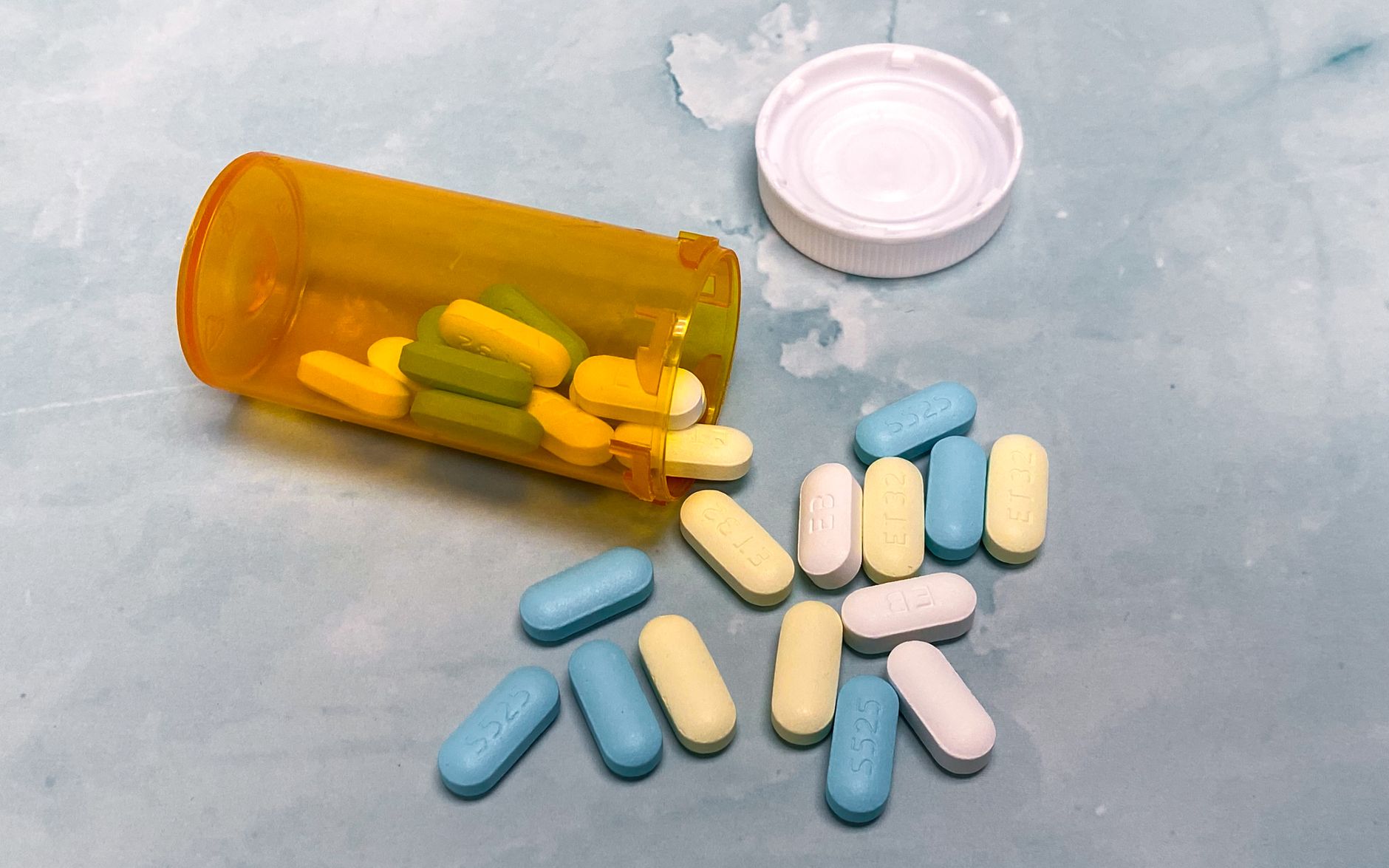

The anti-cancer drugs price drop in India will significantly benefit patients starting November 9. With prices potentially falling by up to 70%, this change aims to improve access to essential medications.
Overview of Price Changes
In a significant development for patients and healthcare providers, the Indian government has announced that the prices of 137 anti-cancer drugs will decrease starting November 9. This price drop could see reductions of up to 70%, making essential treatments more accessible to those in need.
The decision aims to alleviate the financial burden on cancer patients and their families, who often struggle with the high costs of medications. The revised pricing is part of a broader initiative to enhance healthcare affordability and ensure that life-saving drugs are within reach for a larger segment of the population.
Key factors influencing this move include:
- Government Regulations: Stricter price control measures are being enforced to prevent exploitation.
- Market Competition: Introduction of more generic alternatives has driven prices down.
- Public Health Goals: The government aims to improve overall health outcomes by making healthcare more affordable.
The upcoming anti-cancer drugs price drop reflects a commitment to ensuring that critical therapies are accessible, potentially transforming the landscape of cancer treatment in India.
Impact on Patients
The recent announcement of a significant price drop for anti-cancer drugs in India has sparked discussions about its impact on patients. With prices set to fall by up to 70% starting November 9, many hope this move will enhance accessibility to essential treatments.
For patients battling cancer, the affordability of medication can make a substantial difference. The high cost of anti-cancer drugs often forces families to make difficult choices, sometimes leading to treatment delays or discontinuation. With the upcoming price reductions, patients may experience:
- Improved Access: More patients could afford necessary medications, increasing the likelihood of timely treatment.
- Financial Relief: Reduced drug prices may alleviate the financial burden on families, allowing them to focus on care rather than costs.
- Increased Adherence: Lower prices may encourage patients to adhere to treatment protocols, potentially improving outcomes.
However, while the anti-cancer drugs price drop is a welcome change, it raises questions about the sustainability of such price adjustments and their long-term implications for the pharmaceutical industry.
Government’s Role in Pricing
The recent announcement regarding the price drop of anti-cancer drugs has sparked discussions about the government’s role in drug pricing. As the government intervenes to reduce prices significantly, it raises questions about the long-term implications for the pharmaceutical industry and patient care.
One of the main reasons behind this government initiative is to make essential medications more accessible to the general public. By reducing the prices of 137 anti-cancer drugs by up to 70%, the government aims to alleviate the financial burden on patients battling cancer. This move is particularly crucial in a country where healthcare costs can be prohibitively high.
However, some experts argue that while the price drop is beneficial for patients, it may deter pharmaceutical companies from investing in research and development. Companies may struggle to maintain profitability, potentially impacting the availability of innovative treatments in the future.
In conclusion, while the anti-cancer drugs price drop is a significant step towards improving patient access, it is essential to balance affordability with the need for ongoing drug development and availability.
Comparison with Global Prices
As India prepares for a significant reduction in the prices of anti-cancer drugs, it is essential to consider how these new prices compare with global standards. The upcoming price drop of up to 70% for 137 anti-cancer medications is a notable shift in the pharmaceutical landscape.
In several countries, the cost of anti-cancer treatments remains prohibitively high. For instance, in the United States, the average price of similar drugs can be several times higher than what is expected in India post-reduction. This raises questions about the sustainability and accessibility of cancer care around the world.
To understand the implications of India’s price adjustment, here are some comparisons:
- United States: Anti-cancer drug prices can exceed $10,000 per month.
- European Union: Prices vary widely, often ranging from $3,000 to $8,000 per month.
- India (post-price drop): Expected to average around $1,500 per month for many treatments.
This price drop in anti-cancer drugs could position India as a leader in affordable healthcare solutions, ultimately benefiting patients both locally and globally.
Pharmaceutical Industry Response
The recent announcement regarding the price drop of anti-cancer drugs has elicited varied responses from the pharmaceutical industry. Many pharmaceutical companies express concerns over the potential implications of such drastic reductions in pricing.
Some industry representatives argue that a significant decrease in the price of anti-cancer drugs could undermine research and development efforts. They emphasize that profit margins are crucial for funding innovative treatments and ensuring the sustainability of drug production.
In contrast, others within the industry welcome the price reductions as a necessary step towards making life-saving medications more accessible to patients. They highlight that lowering prices can increase patient adherence to treatment, ultimately improving health outcomes.
A key point raised by both sides is the need for a balanced approach. The industry calls for collaboration with government bodies to find solutions that ensure affordable access to medications while still promoting innovation in drug development.
As the implementation date approaches, the pharmaceutical industry continues to navigate the implications of the anti-cancer drugs price drop, weighing the benefits to patients against the potential impacts on their business models.
Future of Cancer Treatment in India
The recent announcement regarding the anti-cancer drugs price drop in India marks a significant shift in the landscape of cancer treatment. As the prices of 137 anti-cancer medications are set to decrease by up to 70% starting November 9, it raises questions about the future of cancer care in the country.
This price reduction could lead to greater accessibility for patients who previously struggled with the high costs of treatment. By making these essential medications more affordable, the government aims to improve treatment outcomes and enhance the quality of life for cancer patients.
However, the sustainability of this price drop remains a critical concern. The pharmaceutical industry may face challenges in maintaining profitability while adhering to these new price regulations. The long-term impact on research and development for new treatments could also be affected.
In light of these changes, stakeholders—ranging from healthcare providers to patients—must remain vigilant. Continuous dialogue between the government and the pharmaceutical sector will be essential to ensure that the benefits of the price drop do not compromise the advancement of cancer treatments in India.
Expert Opinions on Price Drop
Experts have mixed opinions regarding the recent price drop of anti-cancer drugs in India. On one hand, many oncologists believe that this move will significantly enhance patient access to life-saving medications. Dr. Anita Sharma, a leading oncologist, stated, “The reduction in prices can make a considerable difference for families struggling with the financial burden of cancer treatment.”
However, some experts express concerns about the sustainability of these price cuts. Dr. Rajiv Mehta, an industry analyst, noted, “While a price drop of up to 70% sounds beneficial, we must consider the long-term implications for pharmaceutical companies and innovation in drug development.”
Others emphasize the importance of quality alongside affordability. Dr. Suman Rao, a healthcare researcher, warned, “It’s crucial that the reduction in prices does not lead to compromises in the quality of drugs available to patients.”
As discussions continue, the consensus seems to lean towards cautious optimism. Many hope that this price drop of anti-cancer drugs will pave the way for a more equitable healthcare system while ensuring that innovation remains a priority in cancer treatment.
Potential Risks and Benefits
The recent announcement regarding the price drop of anti-cancer drugs has sparked a debate on its potential risks and benefits. While the reduction in prices could provide immediate financial relief for many patients, it also raises questions about the implications for drug availability and quality.
Potential Benefits:
- Increased access to essential medications for low-income families.
- Encouragement for early diagnosis and treatment, potentially improving survival rates.
- Reduction in the overall financial burden on healthcare systems.
Potential Risks:
- Manufacturers may cut corners in production, affecting drug quality.
- Price reductions could lead to shortages if companies cannot maintain profit margins.
- Long-term sustainability of drug development may be jeopardized, leading to fewer innovations in cancer treatment.
As the anti-cancer drugs price drop takes effect, stakeholders must carefully monitor these dynamics to ensure that the benefits outweigh the risks, particularly for the vulnerable populations who depend on these essential therapies.
The recent anti-cancer drugs price drop has sparked a debate among healthcare professionals about its long-term implications. While some argue it could increase access to life-saving treatments, others worry about the potential impact on research funding due to the anti-cancer drugs price drop.
Photo by Leeloo The First on Pexels
Where this came from
Related reading
Pharma Approvals Ethiopia: Quick Guide to Safe Processes · Price Caps on Drugs: Best Proven Solutions for Patients · Genmab board pay package: Is it Worth the Approval?